

Happy New Year! It’s been a while since I’ve written a post and I feel out of practice. So here we go. It’s currently January first. We’ll see if I can still one shot 1,000 words in one sitting. A lot has changed in 2025 and I don’t think we’ll ever see a pre 2025 world again. Like I predicted in 2024, the next 10 years will look nothing like the last 10.
TRUMP
Trump was the main character of 2025 and probably remains that for the next two years. Whether we like it or not, we are living in his era. The history books written about this time will have his name all over them. The US is the most powerful and influential country in the world. Even with the separation of powers embedded into its system, the president still has an outsized effect on the world.
Global Tariffs
The first thing Trump did was tariff Canada and Mexico, the US’s two biggest trading partners. After those tariffs, they moved on to tariff the rest of the world. A lot of people were saying it was just leverage for negotiations and that he was not for real. This theory was proven wrong time and time again. Every trade agreement that the Trump admin completed still included tariffs. This confirmed the idea that Trump actually just enjoys across the board tariffs as an economic tool, and there is not much more to it than that.
There is also a theory that the goal of the global tariffs is to slow down Chinese manufacturing. While that might partly be true, it doesn’t explain tariffs on places like Ivory Coast, for example. While the US does not want transshipment, it already has a rule that goods face a 40% tariff if the origin is misdeclared. Tariffing the whole earth instead of just enforcing that rule would be very inefficient.
Link: Tariff tracker
Are the tariffs effective? Not really. Besides bringing the US government some extra revenue, the tariffs have not achieved the stated goals of the Trump admin.
Return manufacturing
Pay off national debt
More jobs
Replace income tax
None of these things happened, and some even got worse. So the global tariffs are largely a waste of time, as I predicted. The only way this could have worked is with highly targeted tariffs at specific industries and good industrial policy.
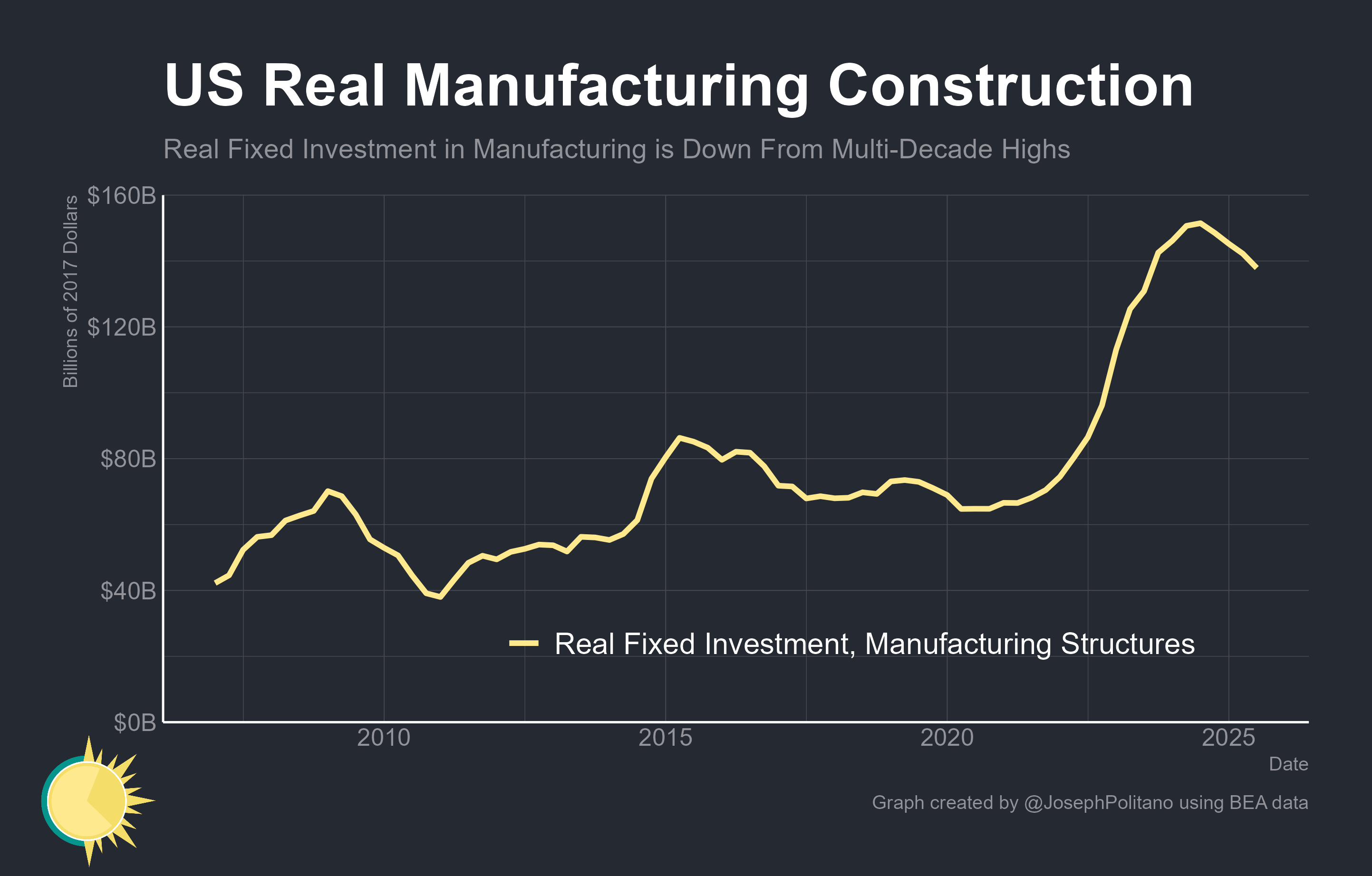
Where I was wrong: I underestimated how resilient and dynamic modern nation states are. While tariffs are a drag on the economy, the US still trucks along. Certain industries even overperform, shouldering the GDP numbers. I overestimated how long it would take for people to start feeling the effects. Although the other side of the argument is how much higher GDP could have been without the global tariffs. As for China, even with their economy in the toilet, they’re also trucking along.
Ukraine War
Before we talk about this, we have to talk about the environment Europe as a whole found itself in. When the Trump admin came into office, one of the first things they did was send out Vice President JD Vance to speak at the Munich Security Conference. JD took the time to compare Europe to the Soviet Union and speak ill of their internal politics. Obviously, this rubbed European leaders the wrong way. This would be the first of many axe swings at the US Europe relationship. Unfortunately for Europe, they just had to take the lecturing and smile because the war in Ukraine is raging on and they would like US support.
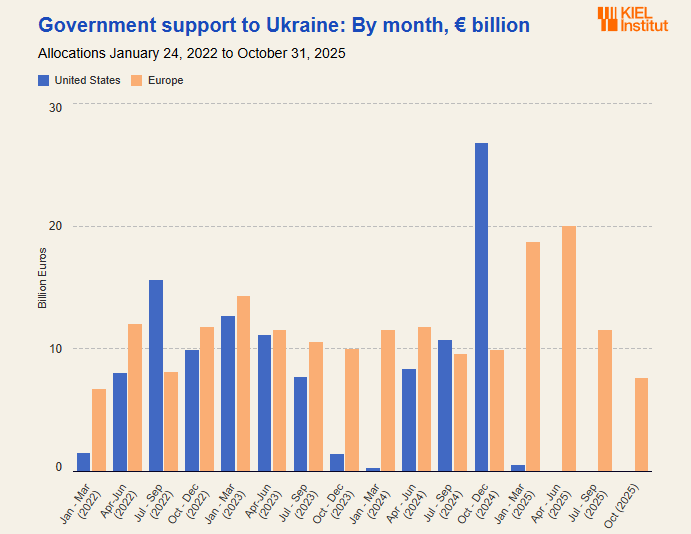
So far, the Trump admin does not seem reluctant when it comes to supporting Ukraine, but since Trump ran on making peace, they kind of have to try something. The US withdrew most of its aid to Ukraine and right now mostly just shares intelligence. Europe is currently shouldering most of the aid. The US also hit Ukraine with political attacks and called into question the legitimacy of the Zelensky presidency.
The war itself is still raging, with Russia making tiny incremental gains. Putin does not want to freeze the conflict, but the Trump admin does. The Kremlin instituted a series of stalling tactics throughout 2025 aimed at the Trump admin to appear as if they want peace. The Russians engage in negotiations and give the appearance of progress, but ultimately will not commit to anything that does not equal Ukrainian capitulation. The Russians have gotten away with this multiple times throughout the year, mostly because the US does not really care what happens to Ukraine and Trump seems to really value what appears to be a one sided friendship with Putin.
While the Russians have been making small gains on the ground, Ukraine has been making tremendous gains damaging Russia’s energy infrastructure. In December alone, Ukraine launched a record 24 strikes on energy infrastructure. This included not just refineries, but also oil terminals and gas processing plants. At this pace, Russian energy will be in a terrible place by the end of next year. The Russians have been repairing these sites after Ukrainian strikes, but Ukraine has gotten smarter over the year. They started targeting parts of these facilities that can take years to repair. At some point, Russia will be forced to prioritize military fuel over civilian fuel to continue the war, and things might get very interesting.
I believe that in 2026 we begin the final phase of this war. Things are going to start to crack on both sides.
Where I was wrong: I believed that Trump would at some point realize that the Russians do not actually want peace and support Ukraine more. That never happened.
Wow, we’re at 950 plus words now and there is still so much more to say on Venezuela, AI, and the global order itself. This will have to be multiple parts, so part two next week. Thank you for reading, and Happy New Year!